

Why a Bearing Brand Removing Its Logo is a Good Sign (2026)
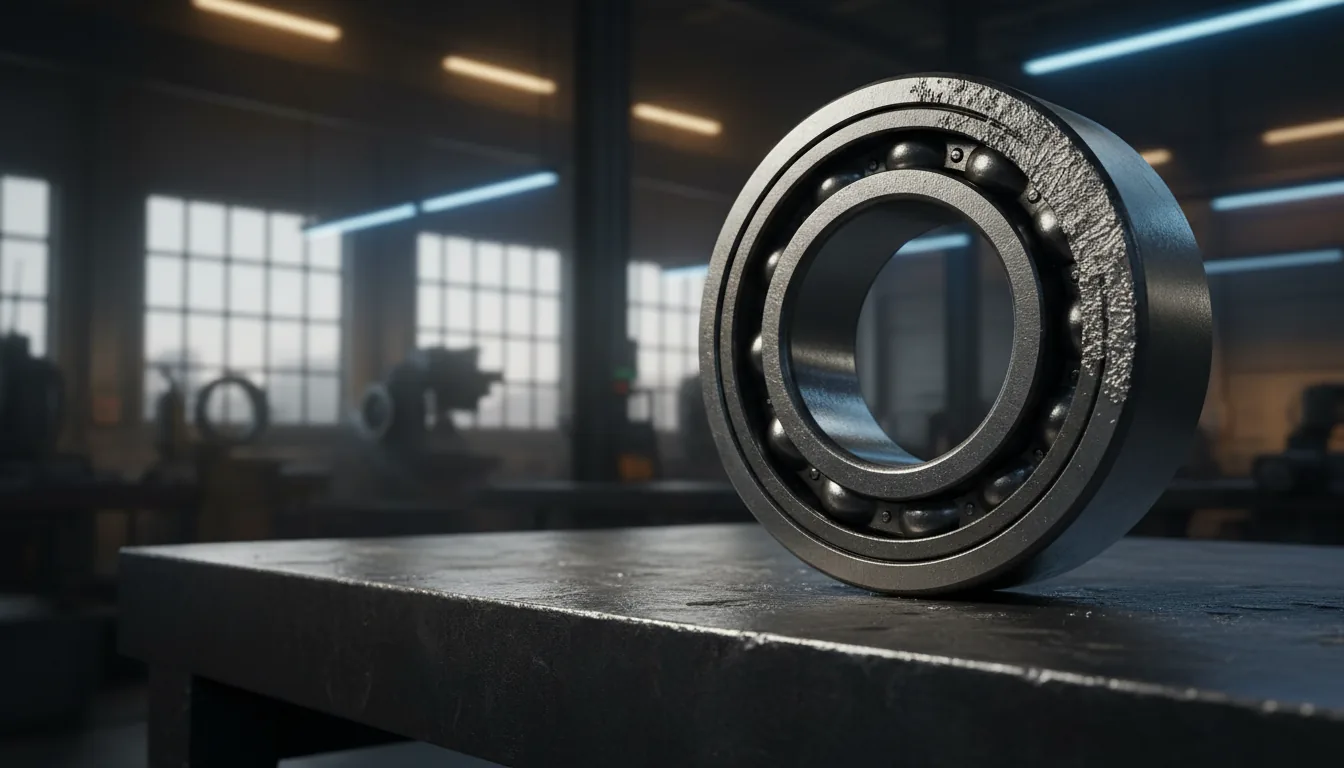
When HI-TEC Bearings removes its logo from defective stock, it guarantees those rejected units can never be resold to buyers as genuine branded products. Finding an industrial bearing in Pakistan with its trademark ground off might look concerning, but it is actually a strong indicator of brand integrity. The industry faces a massive challenge with B-grade and counterfeit bearings flooding the market, where unreliable parts are passed off as premium products.
Instead of offloading failed stock to secondary markets where it could cause machinery failure, HI-TEC takes a proactive approach. By physically dismantling and removing the trademark from all defective bearings at its own cost, the company ensures these units are sold strictly as unbranded scrap metal. This guide explains why removing the logo from rejected stock is a critical defense against fake vs original bearings, how it protects your plant's bottom line, and the rigorous steps HI-TEC bearings Pakistan takes to safeguard buyers from counterfeit industrial bearings.
Why do some bearing brands remove their logo from rejected stock?
When a responsible brand removes its logo from defective stock, it permanently prevents those rejected units from entering the supply chain as genuine products. The global market struggles significantly with counterfeit bearings, with experts estimating that roughly 2.5% of the global bearings market is counterfeit[1][2]. In some informal channels, up to 5–10% of branded bearings traded globally are fake[3]. Buyers often mistakenly believe brands hide manufacturing failures to protect their reputation. In reality, the greatest threat is when a brand fails to destroy rejected stock, allowing B-grade bearings to reach unauthorized distributors.
Rogue sellers often take badly refurbished originals and pass them off under counterfeit premium labels like SKF, FAG, or NTN for an easy sale[2][4]. Leaving a logo intact on a rejected bearing hands counterfeiters a perfectly marked, convincing product that will inevitably fail. Counterfeit industrial parts expose companies to unplanned stops, energy waste, financial loss, and safety risks[5][6]. Repair costs from a catastrophic bearing-related failure can easily highlight the price gap between cheap vs quality bearings, costing 10–50× the price of the bearing itself[3].
By physically removing the logo, a manufacturer eliminates the risk of that exact bearing being resold as genuine. If you are comparing imported vs local bearings in Pakistan, understanding this process is crucial. It shifts the perception of a ground-off logo from a hidden defect to a guarantee of market protection. You no longer wonder how to spot fake bearings - the brand has already ensured the defective unit cannot deceive you.
How does HI-TEC prevent its defective bearings from being resold in Pakistan?
HI-TEC physically dismantles and removes the trademark from all defective bearings at its own cost, selling them strictly as unbranded scrap metal in Pakistan. This rigid protocol ensures no failed HI-TEC bearing can ever be salvaged, repackaged, and sold to an unsuspecting facility. While some suppliers look to recover costs on B-grade stock, HI-TEC prioritizes buyer protection and machinery uptime above scrap value.
The process of preventing defective bearings from resurfacing involves three non-negotiable steps: 1. Immediate Quarantine: Any bearing failing HI-TEC’s strict quality control is instantly separated from the approved industrial bearing Pakistan inventory. It is never sent to a secondary warehouse. 2. Physical Dismantling: Technicians physically dismantle the rejected bearings and completely grind off the logo. This ensures the unit cannot be reassembled or passed off as a legitimate HI-TEC product, whether it is a standard unit or a heavy-duty UC 300 Series insert bearing. 3. Scrap Metal Disposal: Once the trademark is eradicated, the metal is sold strictly as unbranded scrap into the recycling stream.
Unlike sellers who rebrand failed stock under premium labels, HI-TEC takes strict legal action against any counterfeiting of its bearings. Fake products make machines less precise, unreliable, and prone to failure at any time[7]. By enforcing these destructive protocols on its own rejects and pursuing legal channels against counterfeiters, HI-TEC bearings Pakistan guarantees every branded unit meets the required standard. To avoid the price trap of cheap industrial bearings, source directly from a brand that destroys its own failures.
Frequently Asked Questions
How can I tell if a bearing is genuine or fake?
To spot a fake bearing, look for inconsistent laser etching, incorrect packaging, and prices that seem too good to be true. Because over 430,000 fake parts from major brands were confiscated globally in 2025[5][6], visual inspection is no longer enough. The only guaranteed way to ensure authenticity is to purchase directly from brands like HI-TEC that actively destroy their defective stock.
What are the dangers of fake bearings?
Counterfeit bearings degrade and fail quickly, leading to shutdowns, expensive damage to capital equipment, and potentially injury to operators[8]. Because they are made with unknown metallurgy, they often cause catastrophic machinery failures that cost far more than the initial bearing purchase.
Why do some bearing brands remove their logo from rejected stock?
Brands remove their logos to guarantee that defective or B-grade units cannot be resold to buyers as genuine products. By defacing the bearing and selling it as scrap metal, the manufacturer prevents unauthorized sellers from passing off failed stock as a premium component.
How does HI-TEC prevent its defective bearings from being resold?
HI-TEC physically dismantles every rejected bearing and completely removes its trademark at its own cost. The destroyed units are then sold strictly as unbranded scrap metal in Pakistan, ensuring a failed bearing can never resurface wearing the HI-TEC name.
References
- When the threat comes from within: global supply chains and .... https://www.strategosbip.com/en/post/when-the-threat-comes-from-within-global-supply-chains-and-the-illegal-trade-in-bearings (2026-07-31)
- Italy seizes counterfeit bearings from China. https://www.securingindustry.com/electronics-and-industrial/italy-seizes-counterfeit-bearings-from-china/s105/a12641/ (2020-11-27)
- Hidden Cost of Counterfeit Bearings in Europe | Eurobearing. https://eurobearing.eu/hidden-cost-counterfeit-bearings-europe/ (2026-06-28)
- Recent Counterfeit Bearing Operations in China and Russia. https://www.bearing-news.com/recent-counterfeit-bearing-operations-in-china-and-russia/ (2020-07-08)
- Industrial Counterfeits. https://www.skf.com/group/organisation/brand-protection (2026-07-22)
- Industrial fakes. https://www.skf.com/us/organisation/brand-protection (2026-07-22)
- Counterfeit is an offence, it can become a crime | NTN Europe. https://www.ntn-snr.com/pt/blog/counterfeit-offence-it-can-become-crime (2026-01-18)
- Where are your bearings coming from?. https://www.skf.com/binaries/pub12/Images/Counterfeiting+brochure+-+6940_1+EN_tcm_12-252392.pdf (2026-07-16)